



-
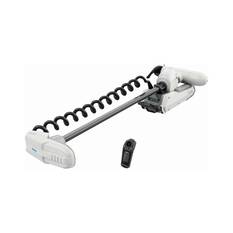 Lowrance$6,899.00 ^ $5,699.00 Club Price★★★★★ ★★★★★ (12)
 -
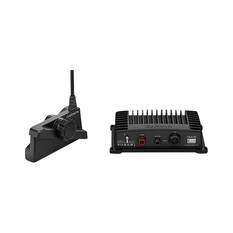
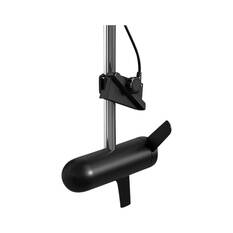 Garmin$2,899.00 ^ $2,199.00 Club Price★★★★★ ★★★★★ (24)
 -
 Garmin$4,499.00 ^ $3,999.00 Club Price★★★★★ ★★★★★ (9)
 -
Garmin$2,999.00 ^ $2,699.00 Club Price★★★★★ ★★★★★ (9)
-
Transducers poles Australia$649.00 ^★★★★★ ★★★★★ (3)
-
Lowrance$2,999.00 ^ $2,699.00 Club Price★★★★★ ★★★★★ (7)
-
Lowrance$6,099.00 ^ $4,999.00 Club Price★★★★★ ★★★★★ (1)
-
Lowrance$6,499.00 ^ $5,399.00 Club Price★★★★★ ★★★★★ (12)
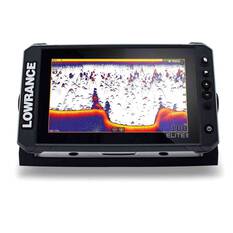
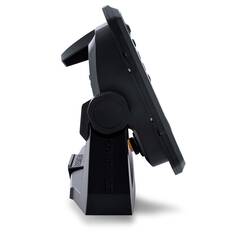
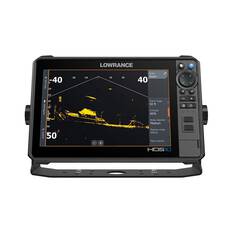
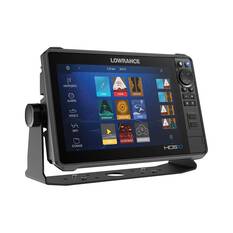
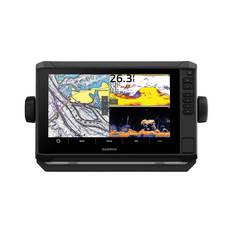
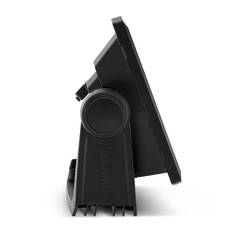
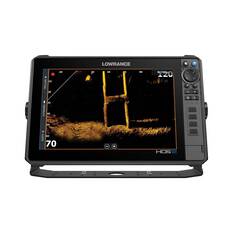
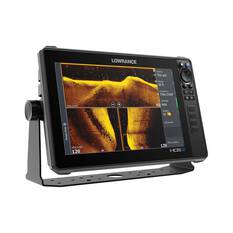


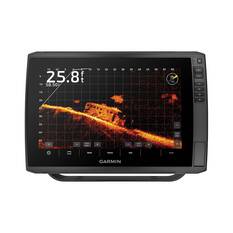
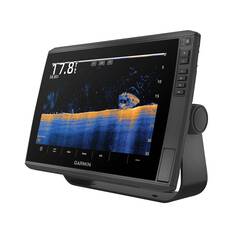
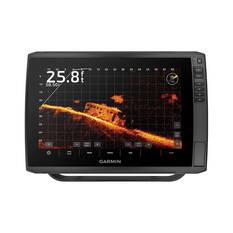
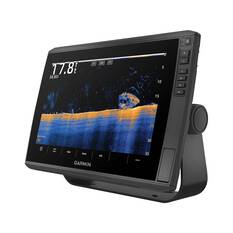
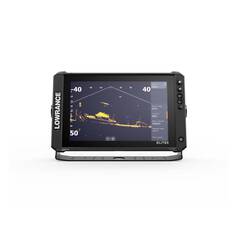
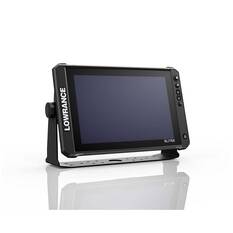

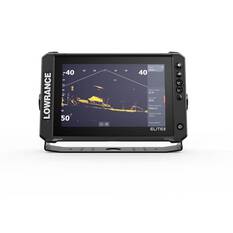
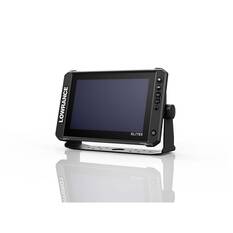

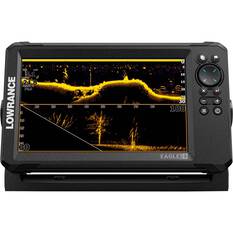
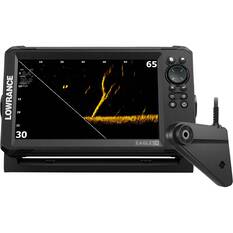
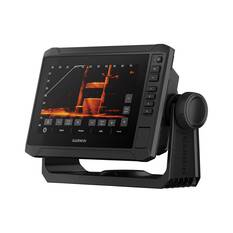
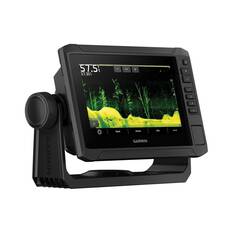
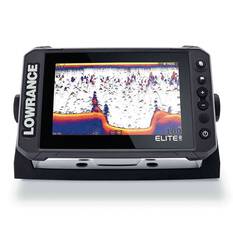
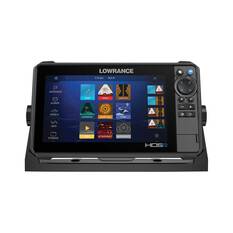
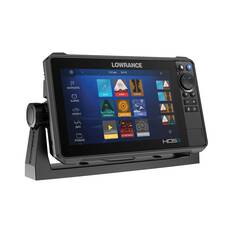
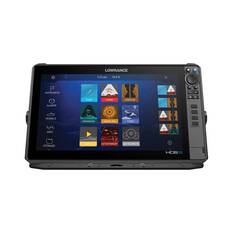
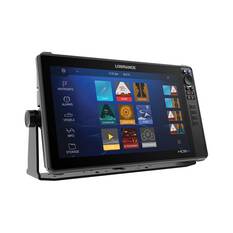


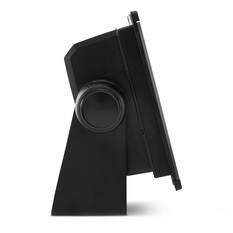
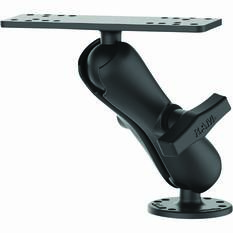
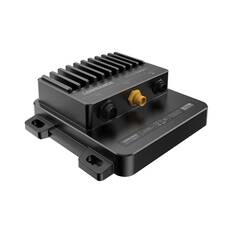






Live Fishing: fish with clarity out on the boat
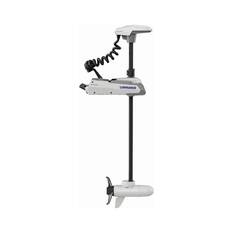
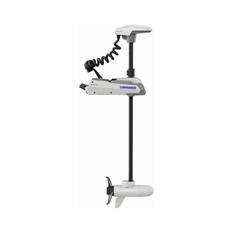
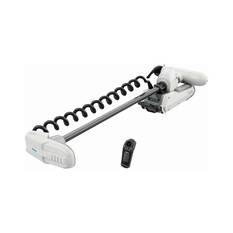
Live sonar technology such as ActiveTarget and Livescope let you see what's happening under the water in real time. Watch how fish react to your lure, learn their behaviour, and find where they're hiding more quickly with the help of your electric motor.
Forward-facing sonar technology is a step up from your traditional fish finder that shows you what's directly under your boat after you've passed it. Instead, Livescope and ActiveTarget technology shows a live display of the fish, structure, and your lure so that you can accurately cast your lure in the face of feeding fish and see their reaction in real time.
Recommended Blogs to Check out


Find more fish with your Fish Finder
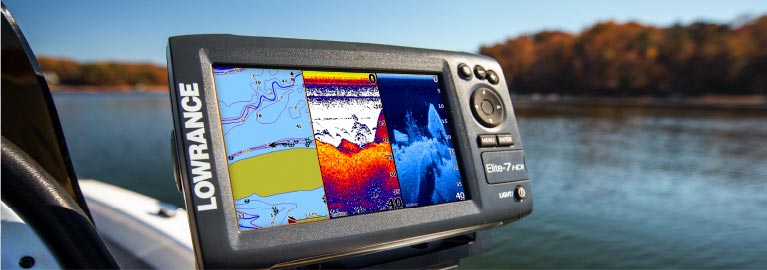
Since the first fish finders hit the market many decades ago they've become a crucial tool in reading depths and locating fish.

Choosing the Best Fish Finder/GPS Combo
Find fish abundant areas and mark the spot with this vital piece of boat fishing equipment
Choosing the correct sonar and frequency for your Lowrance sounder
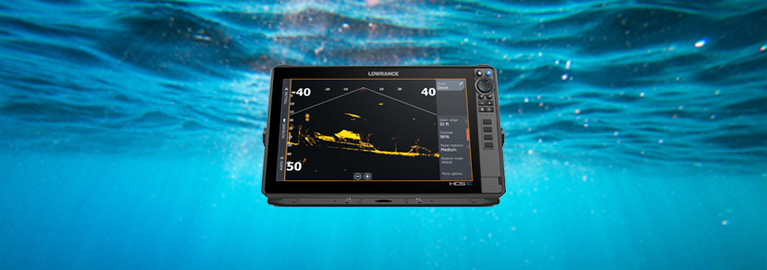
Our mates at Lowrance have a few tips for helping you find more fish
Are you searching for more expert boating or fishing tips? Or perhaps you're looking for helpful tips, hacks and guides for camping, 4x4ing, boating, hiking, or cooking? Check out our Blog to find your next read!
Getting the most from your setup
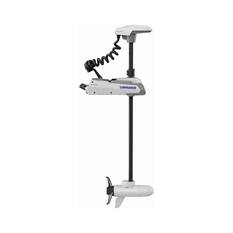
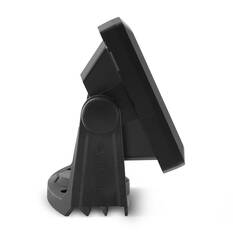
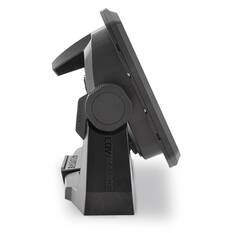
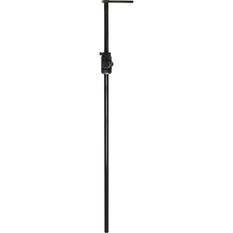
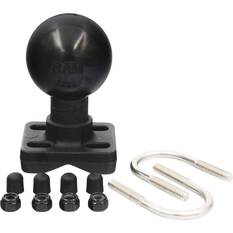
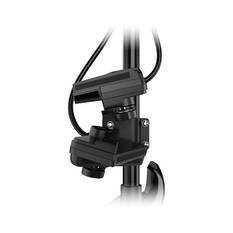
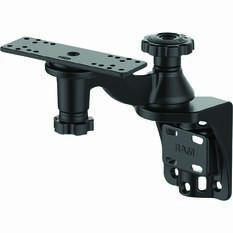
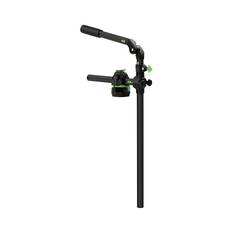
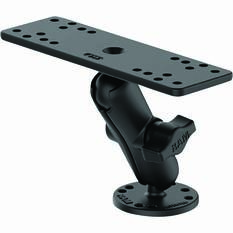
Like most things out on the water, setup makes all the difference. A solid mount and adjustable pole keeps your transducer steady and pointed exactly where you need it, which is crucial when fishing with forward-facing sonar technology.
It's worth thinking about the details when creating a live fishing system for your boat to ensure that everything is in the right place for success. This includes decisions such as where you mount your transducer pole and the size and placement of your screens to ensure they're at the right height and angle for the best viewing.
Build your setup with BCF
Whether you're upgrading the system you have on your boat or starting from scratch, we have everything that you need. From the sounder to the live fishing transducer and everything in between including transducer poles, mounts and visors, BCF stocks everything to get you on the water chasing those trophy fish!
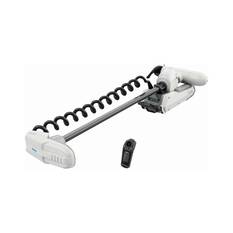
You’ll also find a solid range of outboard motors and electric motors plus accessories to help you stay steady on the water.
Frequently Asked Questions
What is live fishing?
Live fishing means viewing real-time sonar on your sounder of choice so you can see fish movement, structure, and even how fish react to your lure as it happens.
How does a depth sounder work?
A depth sounder sends sound waves down through the water. When they bounce back, your unit works out how deep it is and what’s below your boat, which is displayed right there on the screen for you!
How do you read a fish finder?
Depending on what mode you’re using is what you need to look for. If you’re using a traditional sonar, you’re going to be looking for marks or arches that are consistent with the depth you’re fishing. If you’re using side scan, you’re looking for similar marks, but the sonar will also project a shadow of the fish along the bottom depending on what species you’re targeting!
What is a chartplotter on a fish finder?
A chartplotter generally refers to the mapping ability of a fish finder. Your fish finder is the sonar aspect of the unit. If you’re shopping for both, a sounder combo is what you’re chasing! If you don’t need the chartplotter ability, standalone fish finders are also available right here at BCF.
Are fish finders waterproof?
All fish finders are built and tested to withstand a certain amount of water from getting inside the unit. Always check the IPX ratings and install it in an area that won’t get too much water on it so it can last for years to come.
What is a marine chart?
A marine chart is basically your on-water map, showing depths, hazards, channels and key features to help you get around safely.
How do you read marine charts?
Focus on depth lines, markers and hazards. Always use the most detailed chart you can, especially when you’re close to shore or structures. Upgrade your maps to get the ability of relief shading to give you the optimal experience.