

-
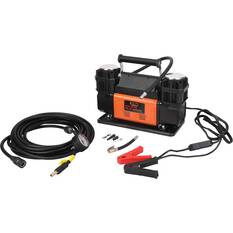
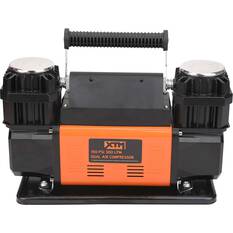 XTM 4x4 Accessories$199.99 ^ $149.99 Club Price★★★★★ ★★★★★ (114)
 -
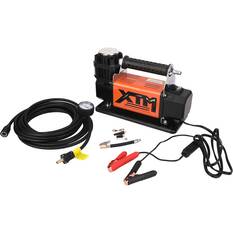
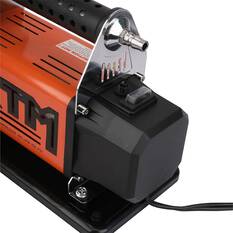 XTM 4x4 Accessories$149.99 ^ $99.99 Club Price★★★★★ ★★★★★ (102)
 -
 Solution X$99.99 ^ $74.99 Club Price★★★★★ ★★★★★ (4)
 -
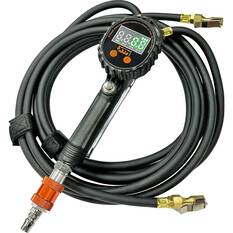
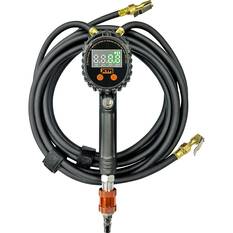 XTM 4x4 Accessories$149.99 ^ $99.99 Club Price★★★★★ ★★★★★ (25)
 -
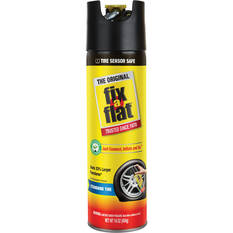
 Fix-A-Flat$34.99 ^★★★★★ ★★★★★ (237)


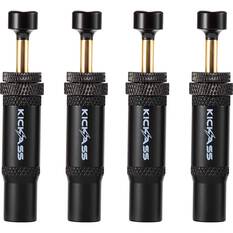
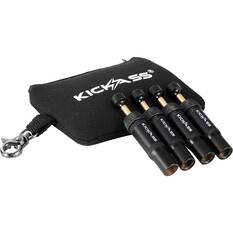

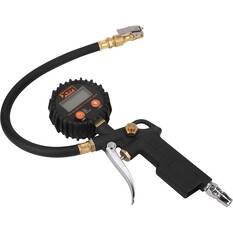
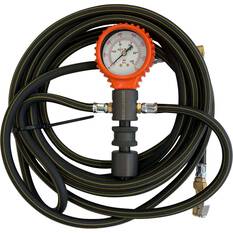

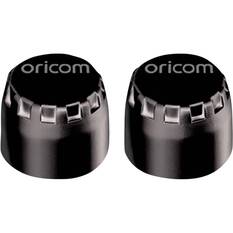
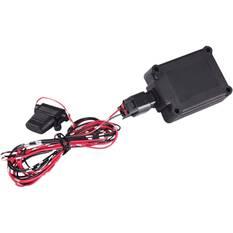
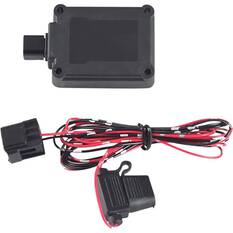
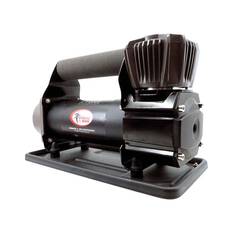




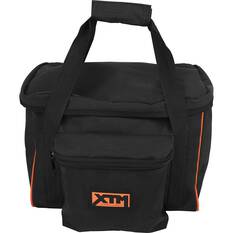
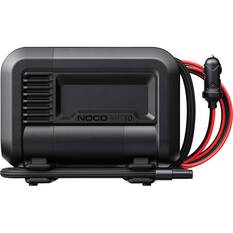


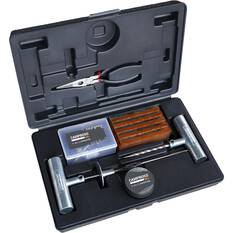

Air compressors and deflators for off-road tyre control
Air compressors and deflators are the core kit for dropping tyre pressure off-road, then pumping back up for the bitumen. At BCF, you’ll find it all across 165+ stores nationwide with Boating, Camping, Fishing experts ready to help you get it right.
You’ll use deflators and gauges to air down for sand, mud and corrugations, then a 12V compressor to reinflate before heading home. Round out the setup with a tyre repair kit and a few spares so your trip doesn’t end with a flat.
Why air down your tyres off-road
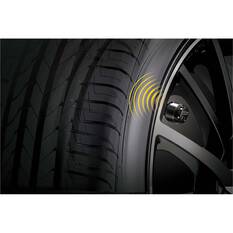
You air down because lower pressure increases the tyre’s footprint for better traction on sand and lets the tyre flex over corrugations and rocks, reducing bouncing and puncture risk. Always slow down at lower PSI and reinflate to placard pressure before sealed roads.
- Corrugations: Start around 26–32 PSI. Heavier, loaded rigs sit toward the higher end.
- Firm sand: Begin at 15–18 PSI, then adjust for vehicle weight and softness.
- Mud: Often 22–25 PSI. Drop further in short sections if you need more bite.
Treat these as starting points. Temperature, load and tyre construction all nudge the numbers, so keep a gauge handy and check often.
Manual vs automatic tyre deflators
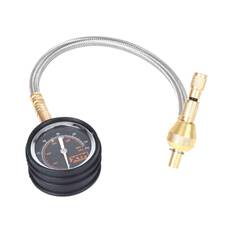
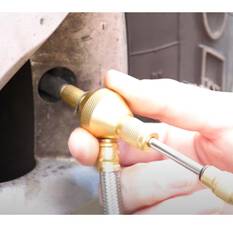
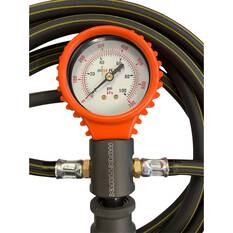
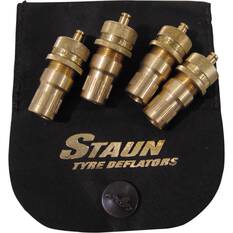
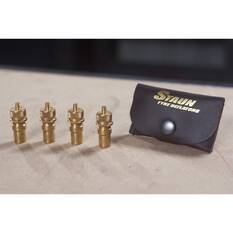
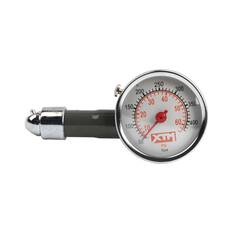
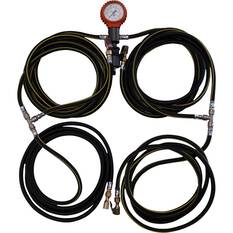
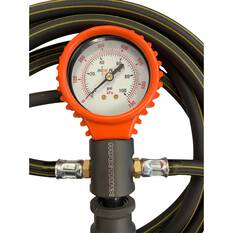
Manual deflators use a gauge and a release valve, so you watch the needle and control the air yourself. Automatic or auto-stop deflators screw on, hiss down to a preset PSI, then shut off, which gives you matching pressures across all four tyres.
If you want speed and consistency, automatic kits are the go for regular beach runs and touring. Check the options under tyre deflators and gauges and set your preferred PSI before you hit the track.
Choose a 12V compressor and the rest of the kit
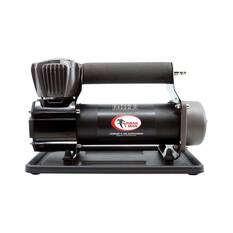
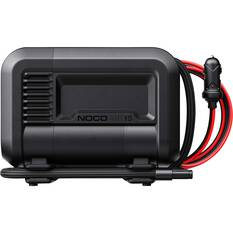
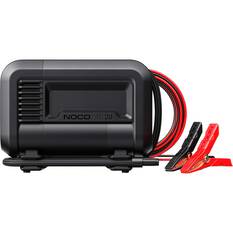
Pick compressor output to suit tyre size and how often you reinflate. Stock-size tyres can get by with smaller units, but LT 265/75R16 or larger benefit from faster single or twin-cylinder models around 150–300L/min. Check duty cycle too if you’re running two vehicles. Browse the lineup of air compressors and match hose length to where your unit will mount.
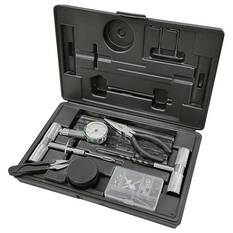
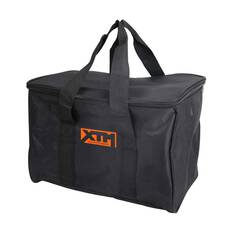
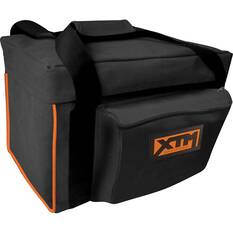
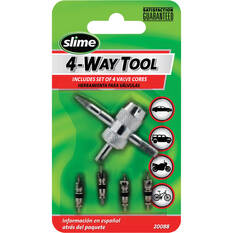
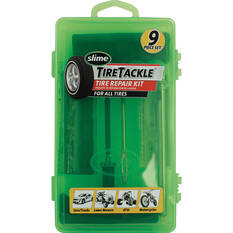
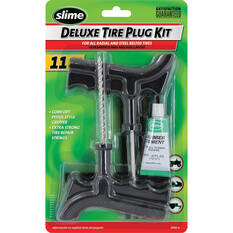
A tyre repair kit is a genuine safety backup for sharp rocks and stakes on remote tracks. Plug a tread puncture, reinflate, then roll carefully to proper repairs. Keep small spares like valves, hoses and fittings so your gauge or compressor isn’t out of action. See tyre repair kits and grab spare parts that match your setup.
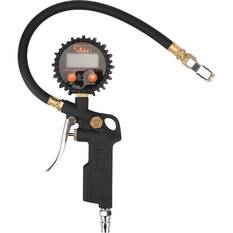
The full workflow is simple: deflate, drive at lower speeds, monitor pressures with a digital gauge, then reinflate for the highway. Air compressors and deflators work as a team here.
Get sorted with BCF
We test the gear Aussies actually use, and our in-store team can size a compressor to your tyres and trips. Shop online or drop into your local store for friendly, expert advice.
- Club pricing: Save with exclusive member-only deals when you join Club BCF.
- Price Match Guarantee: Found a better price? We’ll match it on the spot.
- Click & Collect: Need it fast? Pick up your order in as little as 1 hour.
- 165+ stores: Find your local BCF store across Australia.
Frequently Asked Questions
What tyre pressure should I use for corrugations?
You should start around 26–32 PSI on long corrugations. Keep heavier, loaded rigs toward the higher end, slow down to manage heat, and reinflate before sealed roads.
Do I need a tyre repair kit if I already carry a spare tyre?
Yes, a tyre repair kit is still worth carrying even with a spare. It lets you plug a tread puncture quickly and save the spare for bigger damage or the next day’s drive.
How fast should I drive with tyres aired down?
You should reduce speed whenever you drop pressure. Lower PSI builds heat at higher speeds, so keep it slow on sand and corrugations, then reinflate for highway travel.
What size air compressor do I need for a 4WD?
You need a compressor that matches your tyre size and how often you inflate. Larger LT tyres suit 150–300L/min units with solid duty cycles, which you’ll find under air compressors.