

-
 XTM 4x4 Accessories$799.00 ^ $399.00 Club Price★★★★★ ★★★★★ (51)
 -
 HardKorr$294.99 ^ $369.00 ^★★★★★ ★★★★★ (36)
 -
XTM 4x4 Accessories$349.99 ^ $189.99 Club Price★★★★★ ★★★★★ (21)
-
XTM 4x4 Accessories$499.99 ^ $299.99 Club Price★★★★★ ★★★★★ (32)
-
XTM 4x4 Accessories$449.99 ^ $279.99 Club Price★★★★★ ★★★★★ (45)
-
ENERDRIVE$319.00 ^ $239.00 Club Price★★★★★ ★★★★★ (2)
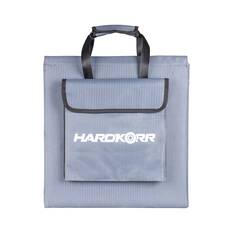
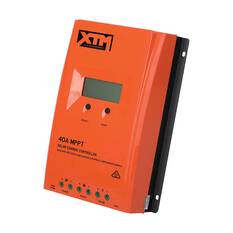
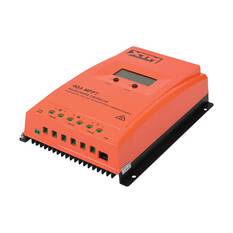
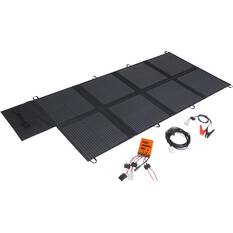


How much solar do I need for camping and 4WD touring?
The right solar panel size depends on how much power you use each day. For most campers and tourers, a 12V fridge is the biggest power draw, followed by camp lighting, phones, tablets and other accessories.
Solar panel sizing guide
- Up to 120W – LED lighting, phones, tablets and occasional camping
- 120W – 160W – Small fridge setups and weekend trips
- 160W – 240W – Most 4WD touring setups with a 40–60L fridge
- 240W – 300W+ – Extended off-grid camping and larger power demands
Match your solar panel to your fridge
- 30L – 40L fridge – 120W – 160W of solar
- 40L – 60L fridge – 160W – 240W of solar
- 60L+ fridge – 240W or more of solar
Important: a solar panel can't run a camping fridge on its own. You always need a battery or battery box or a portable power station as well. The solar recharges the battery during daylight, and the battery is what actually runs your fridge, including overnight and through cloud.
Understanding solar specifications
- Watts (W): Watts measure the maximum power output of a solar panel. Higher wattage panels can generate more power in suitable sunlight conditions.
- Amp Hours (Ah): Amp hours measure battery storage capacity. The higher the Ah rating, the longer a battery can power your devices.
- Watt Hours (Wh): Watt hours are commonly used for portable power stations and represent total battery capacity.
- Solar Input (W): Solar input refers to the maximum amount of solar charging power a battery system or portable power station can accept.
Converting amp hours (Ah) to watt hours (Wh)
Amp hours and watt hours measure different things, and voltage is what links them. Converting between the two lets you compare a battery (usually rated in Ah) against a portable power station (usually rated in Wh).
- Ah to Wh: Wh = Ah × V
For example, a 100Ah battery at 12V stores 1,200Wh (100 × 12), which is 1.2kWh. - Wh to Ah: Ah = Wh ÷ V
For example, a 1,200Wh battery at 12V holds 100Ah (1,200 ÷ 12).
You need the voltage to convert — the same 100Ah stores 1,200Wh at 12V but 2,400Wh at 24V. That's why it's best to compare batteries and power stations in watt hours.
How solar fits into real-world camping
Solar earns its spot because it doesn’t demand attention. It just quietly supports the rest of your kit.
You’ll feel the difference when:
- Fridges run around the clock without chewing through your batteries overnight
- 12V lights and appliances stay usable after dark without cutting trips short
- Beach and fishing trips stretch longer because power isn’t a limiting factor
- Road trips get simpler, with batteries topped up between drives
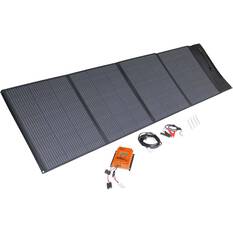
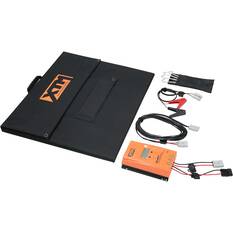
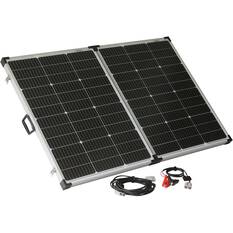
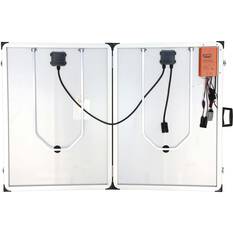
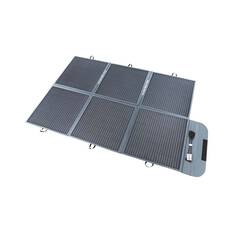
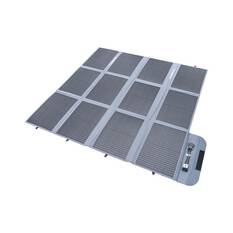
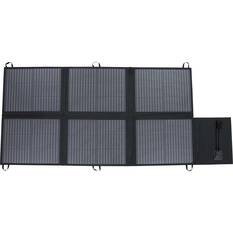
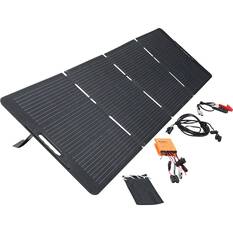
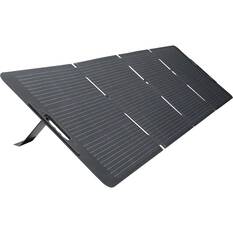
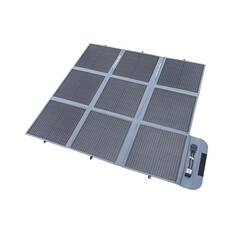
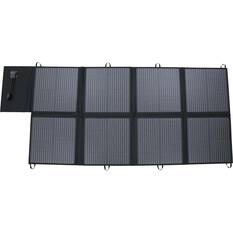
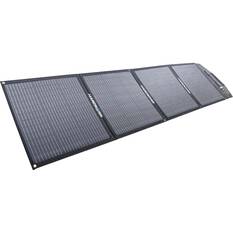
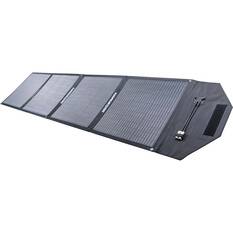
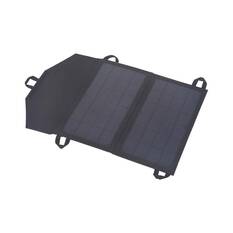
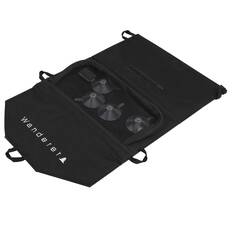
Solar blankets are especially handy when campsites aren’t laid out for power. Lay them out where the sun hits, shift them as the day moves, and pack them away once you’re done. Fixed solar panels suit vehicles that stay loaded and ready, turning daylight into steady power without lifting a finger.
Building a solar setup that actually suits how you travel
Solar works best when it matches your habits, not when it’s oversized or overcomplicated.
Here’s how most campers dial it in:
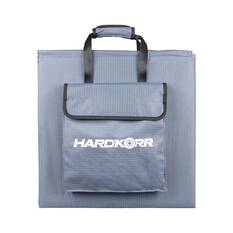
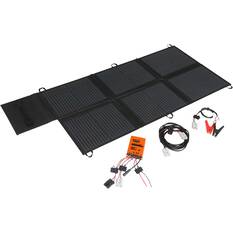
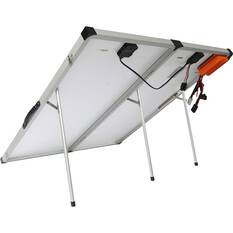
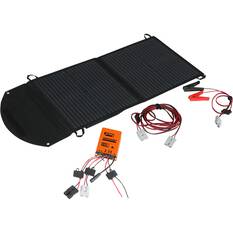
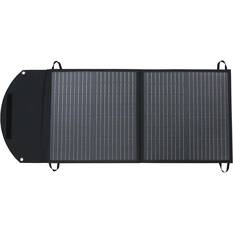
- Portable setups: Folding solar blankets are ideal if you move often, camp in shade, or don’t want permanent installs.
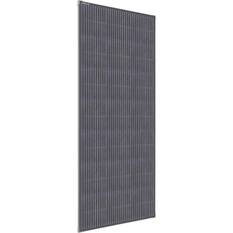
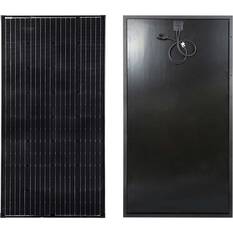
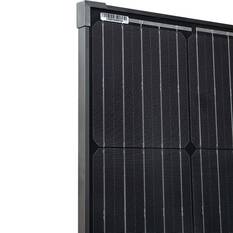
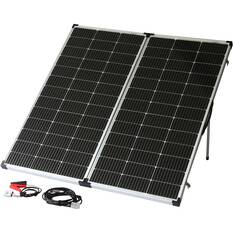
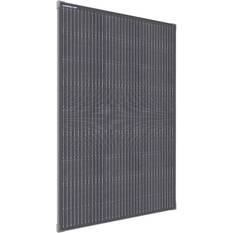
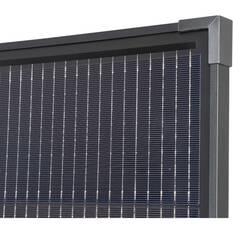
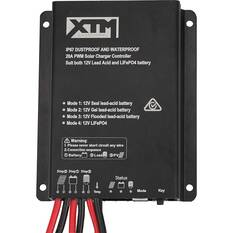
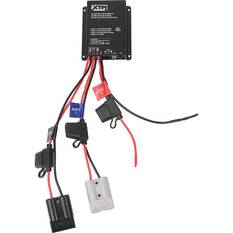
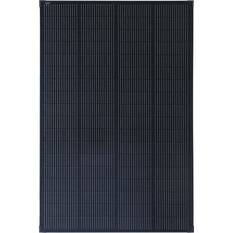
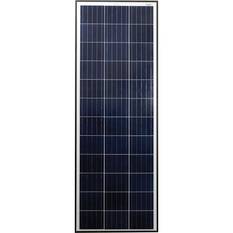
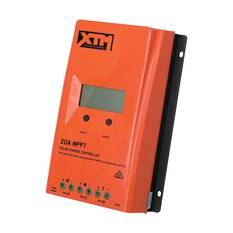
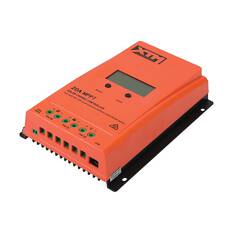
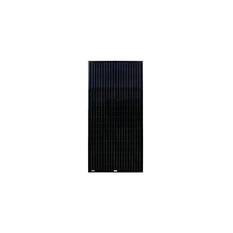
- Touring rigs: Fixed solar panels paired with a solar controller or solar regulator keep batteries topped up automatically.
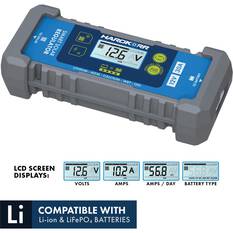
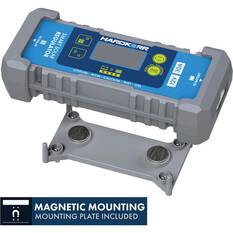
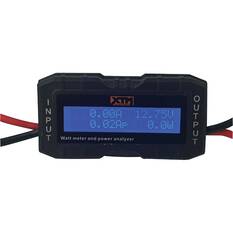
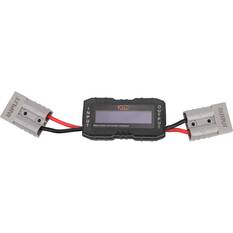
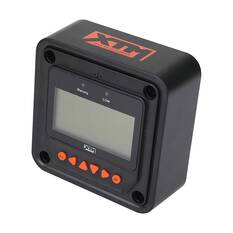
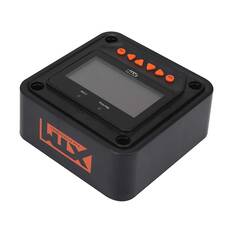
- Smarter power management: A watt meter shows what’s happening in real time, so you’re not guessing.
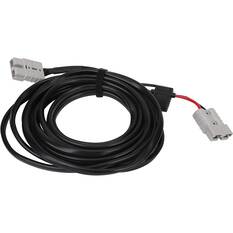
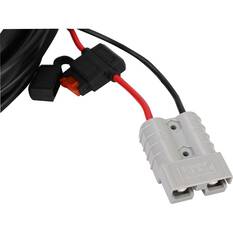
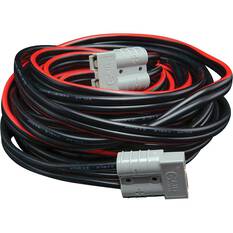
- Flexible layouts: An extension lead lets your panels sit in full sun even if your vehicle’s parked somewhere cooler.
Add quality batteries and battery boxes, and your power system works as one unit, not a bunch of loose parts.
Using solar alongside the rest of your power gear
Solar does not replace everything; it works with it.
Many campers pair solar with:
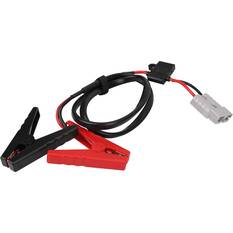
- Chargers, cables and accessories to manage multiple devices
- Inverters to run 240V gear when needed
- 12V control boxes and appliances for cleaner, organised installs
- Generators as a backup when weather or heavy power use demands it
When everything’s working together, power stops being something you think about; it just happens.
Durability, setup and looking after your solar gear
Camping solar is built for outdoors, but good habits still matter.
Secure mounting, tidy cable runs, and sensible placement help panels perform better and last longer. After trips, give panels, and blankets a wipe down, let them dry properly, and store them with your other camping gear. It’s simple stuff, but it keeps performance consistent over time.
If solar becomes part of your regular kit, treating it well pays off every trip.
One investment that keeps paying you back
Solar doesn’t get left behind when trips change. It works on quick overnighters, long weekends, touring runs and everything in between. Once it’s part of your setup, it keeps showing up wherever you pull up.
That’s why solar panels and blankets quickly move from “nice idea” to “wouldn’t camp without it”.
Power sorted with BCF
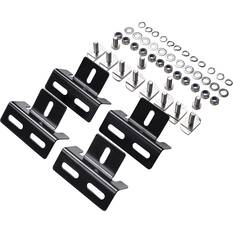
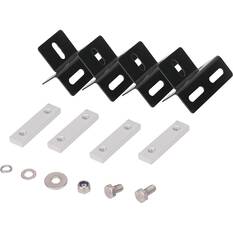
At BCF, you can get your hands on a wide range of solar panels, blankets, and accessories built for the actual and even the harshest of Aussie conditions. It does not matter if you’re chasing a compact folding solar blanket or setting up a full touring system with mounting kits, regulators, and meters, here, we have the gear that fits how you camp.
Shop online or drop into one of our 165+ stores and chat with the BCFing experts. Also, you can score:
- Club BCF pricing: Join Club BCF and save more with exclusive member-only deals both in-store and online.
- Price Match: Found it cheaper? We'll match it. Check our price match policy for more information.
- Click & Collect with orders ready in as little as 1 hour
Solar done right means fewer limits and more time outdoors; exactly how camping should be.
Frequently Asked Questions
Can I use a folding solar blanket on a cloudy day?
Clouds won’t stop your solar blanket completely. It’ll still grab enough sun to top up batteries while you’re brewing a cuppa or setting up camp; just slower than a bright, sunny day.
How do I know what size solar panel I need for my fridge and lights?
Think about what gear you’re running and for how long. A small folding solar blanket keeps a weekend fridge happy, while fixed panels with a solar controller or regulator are better for full touring rigs or powering multiple fridges, 12V lights, and other kit.
Can I leave my solar panel on the vehicle overnight?
Yep, as long as it’s secure. Folding blankets are better packed away for safety, while fixed panels are built to stay put. Double-check connections and make sure it’s not in a spot where it could cop a knock.
Can I use solar gear with other 12V devices like driving lights and portable speakers?
For sure, solar isn’t just for fridges. Hook it up with batteries, control boxes, or inverters, and you can run lights, speakers, and appliances while keeping everything organised and topped up.
What’s the difference between a solar regulator and a solar controller?
Both manage battery health and prevent overcharging. Sometimes the terms get swapped, but the key is checking your battery and panel specs to pick the right one.
Are folding solar blankets weatherproof?
Splash-resistant, yes, but not fully waterproof. Best to pack them away dry and avoid leaving them out in heavy rain. They’re built to be tough but treating them right keeps them performing trip after trip.