

Fishing Hooks









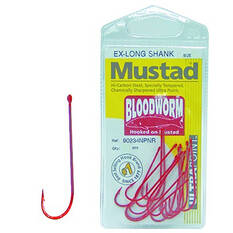

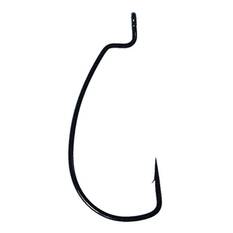
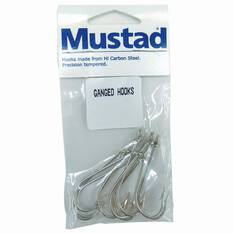
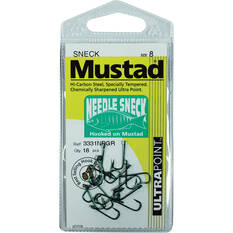







Filter by
Hooks and split rings for every fisho setup
Landing a good catch starts with the right tackle. At BCF, our hooks and split rings range from J hooks and circle hooks to treble and weedless options, all designed to make sure your bait performs and your rig stays solid. Pair them with pre-made rigs, floats, or rigging accessories, and you’re ready to chase anything from estuary staples to offshore monsters.
J hooks, circle hooks, and everything in between
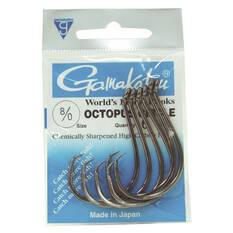
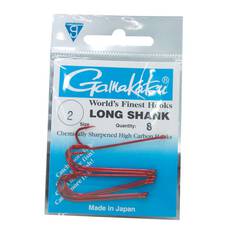
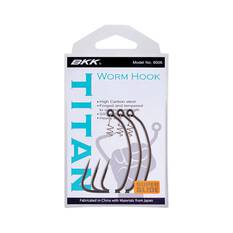
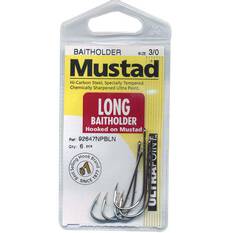
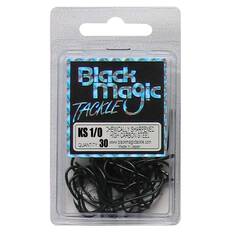
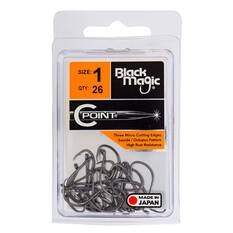
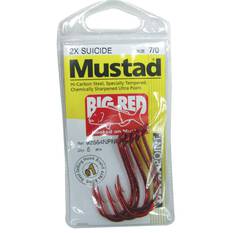
J hooks are the classic go-to, versatile, reliable and perfect for pinning fish fast. Circle hooks take a gentler approach, hooking fish in the jaw for sustainable catch-and-release. Suicide hooks, octopus hooks, baitholder hooks, and long shank hooks all have their place, giving you options for prawns, worms, strip baits, and more.
Treble, micro assist, and jigging hooks for the serious fishos
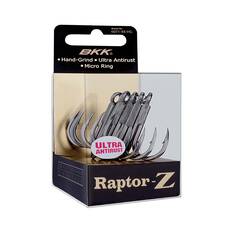
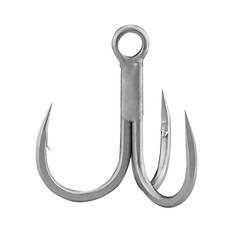
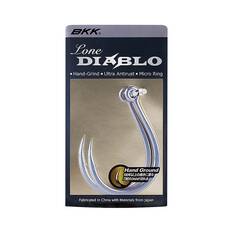
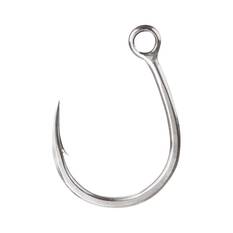
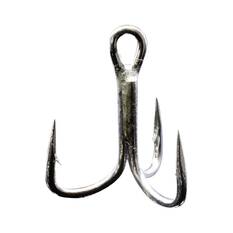
Chasing soft plastic or hardbody lures? Jigging assist and micro assist hooks deliver precision, grip, and reliability on every strike. Treble hooks are your friends for hardbody lures, while big mouth hooks give you a solid bite on larger species. Every hook style in the BCF range is built to pair easily with sinkers, swivels, snaps, and bait jigs for a complete rig.
Weedless, water-ready, and built to last
Fishing in snaggy rivers or reefs? Weedless hooks save time and frustration, letting you focus on casting rather than untangling. Combine with split rings designed to handle the strain of big bites, and your rig stays solid trip after trip. Add rigging accessories, pre-made rigs, or floats, and you’ve got a setup that’s as fun as it is effective.
Understanding hook sizing
Hook sizing can confuse even seasoned fishos. Smaller hooks have bigger numbers; size 18 is smaller than size 8, while larger hooks use the /0 (pronounced ‘aught’) system, so 1/0 < 9/0 < 12/0. Once you understand the sizing, you can mix and match hooks for different species, baits, and rigs, keeping your tackle versatile and ready for anything.
Hook up, cast out, and enjoy the ride
A lazy weekend at the estuary can turn into an epic catch, and chasing trophy fish offshore is just another excuse to test your skills. Your hooks and split rings handle the action, keeping every rig solid and every bite exciting. The BCF range is designed to handle real-world fishing, from first casts to serious offshore sessions.
Explore the full selection online or swing by your nearest BCF store, with 165+ locations across Australia, and have a yarn with the BCFing experts.
BCF perks that make fishing easier
- Club BCF pricing: Join Club BCF and save more with exclusive member-only deals both in-store and online.
- Price Match: Found it cheaper? We'll match it. Check our price match policy for more information.
- Click & Collect: Grab your order in just 1 hour* and hit the water.
Frequently Asked Questions
Which hooks should I carry for a weekend trip?
A solid mix covers most situations: small J hooks for whiting or bream, circle hooks for bigger fish, and a couple of treble hooks for hardbody lures. Having variety means you’re ready if the bait or the bite changes mid-trip.
How do I stop my hooks from bending on bigger fish?
Hook strength matters. Go for hooks suited to your target species and check your split rings; heavy-duty rings make a huge difference. Also, using the right rigging setup with swivels and snaps spreads the load and saves you from surprise bend-outs.
Why do my treble hooks keep catching weeds or rocks?
Snags happen. Weedless hooks or micro assist hooks reduce hang-ups in estuaries or reefy spots. Pairing with rigging accessories like floats or sinkers helps keep your line above the trouble and your patience intact.
I keep losing bait on my hooks – what am I doing wrong?
Check that your hook style and size match the bait. Baitholder hooks or long shank hooks are great for worms, while prawns and strips like a standard J or circle hook. Secure the bait just enough to hold it, let it move naturally in the water, and you’ll see fewer snacks making a solo escape.
How do I know which split ring size to use?
Think about your lure or hook size, target fish, and line strength. A tiny ring on a big snap or heavy hook can fail under a big bite. Standard practice: match the ring diameter to the hook eye or lure attachment, and if in doubt, go slightly bigger.
What’s the easiest way to swap hooks on the water?
Keep a small toolkit handy: split ring pliers, extra hooks, and a few pre-made rigs. It’s quicker, cleaner, and saves frustration when fish are hitting and you don’t want to waste a single minute untangling line.
How do I prevent my hooks from dulling or rusting?
Storage and care are key. Keep hooks in dry tackle boxes, use anti-rust coatings if possible, and check split rings for wear before each trip. A sharp, clean hook makes the difference between landing a fish and watching it swim away.
Is a #2 or #4 hook bigger?
Hook sizing can be tricky. For smaller hooks, the smaller the number, the bigger the hook. So a #2 hook is larger than a #4. When you’re chasing bigger fish, a #2 gives more bite area, while a #4 is handy for smaller species or delicate bait.
What are split rings used for in fishing?
Split rings are like the unsung heroes of your rig. They connect hooks to lures, snaps, or assist rigs, letting the hook rotate freely and take the strain off your line. Using the right size keeps everything strong and reduces the chance of losing that monster bite.
What’s the difference between a circle hook and an octopus hook?
Circle hooks hook fish in the jaw for catch-and-release success, with minimal gut-hooking, and are great for offshore or sustainable fishing. Octopus hooks have a short shank and wide gap, perfect for baiting up prawns, worms, or bigger strip baits where a deeper set is useful.
What is the purpose of an assist hook?
Assist hooks are the secret weapon for big game or jig fishing. They’re attached to lures or jigs to improve hook-up rates while reducing the chance of snagging. Micro assist hooks work on lighter rigs, while jigging assist hooks tackle heavier lures and bigger fish.