

-
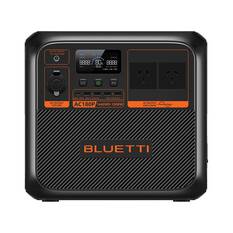
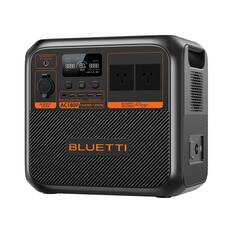 BLUETTI$1,499.00 ^ $1,399.00 Club Price★★★★★ ★★★★★ (45)
 -
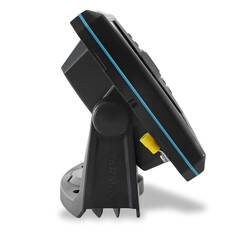
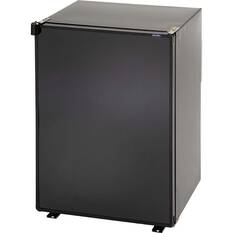
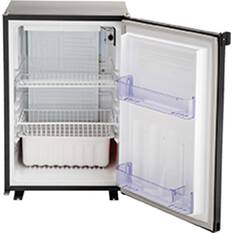
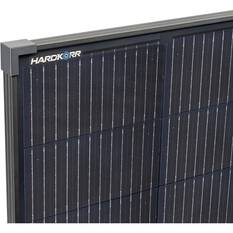
 HardKorr$899.00 ^★★★★★ ★★★★★ (1)New
 -
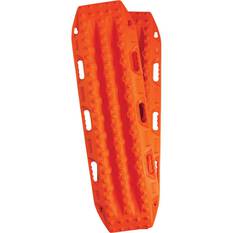
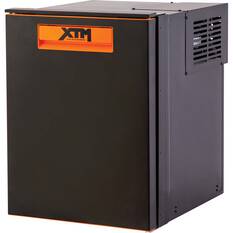
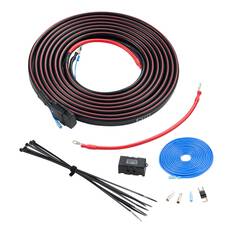
XTM 4x4 Accessories$799.00 ^ $399.00 Club Price★★★★★ ★★★★★ (57)
-
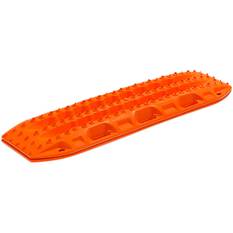
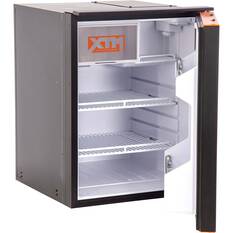
XTM 4x4 Accessories$499.99 ^ $299.99 Club Price★★★★★ ★★★★★ (33)
-
XTM 4x4 Accessories$149.99 ^ $99.99 Club Price★★★★★ ★★★★★ (31)
-
HardKorr$369.00 ^★★★★★ ★★★★★ (36)
-
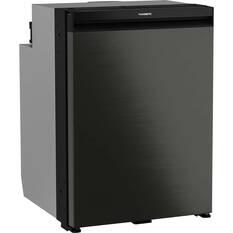
XTM 4x4 Accessories$449.99 ^ $279.99 Club Price★★★★★ ★★★★★ (47)


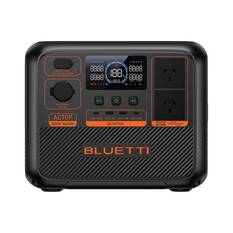








Filter by
4WD power and lighting to run your camp and light the track
4WD power and lighting covers the gear that keeps your fridge cold, devices charged and tracks lit, on-road and off the beaten track. At BCF, you’ll find batteries, solar, inverters, portable power and driving lights across 165+ stores, backed by Boating, Camping, Fishing experts.
Whether you're heading up the coast or crossing the red dirt, the right setup means less stress and more time outside. We’ll help you size your system around real loads and add lighting that turns night to day without draining the bank.
Dual battery system or portable power station? How to choose
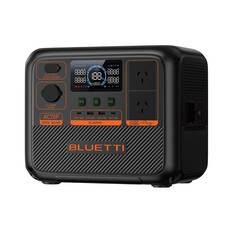
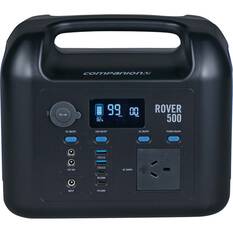
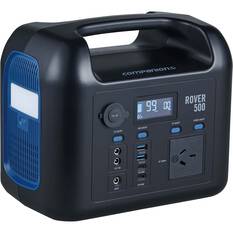
You need a dual battery system if you tour often, run continuous loads and want a permanent, hardwired solution. A portable power station suits occasional trips, no-mod rigs and anyone who wants one unit to move between the car, camp and home.
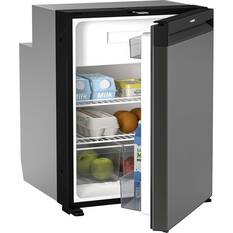
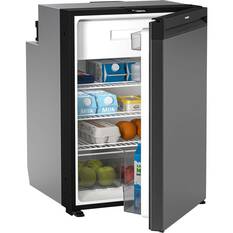
Start with your fridge, because it’s usually the dominant load. Size your system to run a 12V fridge 24/7, then add headroom for lights, device charging and additional power-hungry devices if needed. A 40–60L fridge commonly draws 30–60Ah per day depending on heat and use. For an easy camp solution, check out 12V fridges and match power to real consumption.
- Dual battery Best for frequent touring, high continuous loads and charging from the alternator while driving.
- Portable power station Best for flexibility across vehicles, quick setup and plug-and-play outputs.
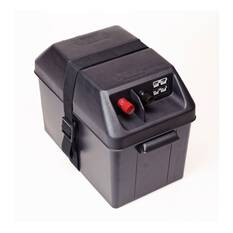
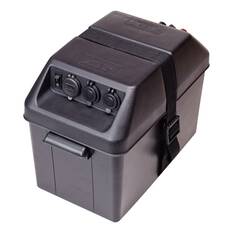
- Complete power system Best when you want a ready-built hub with DC-DC charging, fusing and multiple outputs.
Simple rule: a fair bit of remote touring and running a fridge long-term points to dual battery. Occasional trips or multi-use flexibility points to a power station. Serious continuous loads point to a complete system.
Driving lights and light bars that suit Aussie roads
Choose driving lights by beam pattern, output and legality so you see roos and washouts early without dazzling other drivers. Aim a spot beam down long, straight highways and add a flood or combo beam for tight forest roads.
Check local rules on mounting height and switching with high beam. For the latest options, browse driving lights and light bars then match brackets and wiring to your rig.
Spot vs flood
Spot beams reach further for highway speeds. Flood beams spread light wide for slow tracks and creek crossings. A combo bar blends both so you can see distance and the verge.
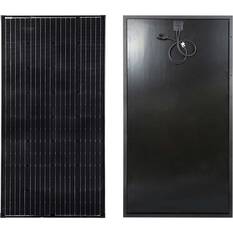
Solar panels and blankets to stay power neutral
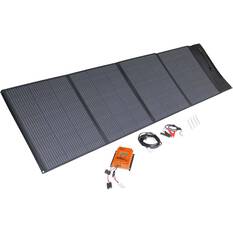
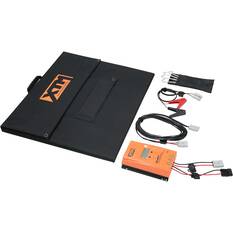
Solar keeps batteries topped up during long stays without idling the engine. MPPT regulators have become the standard for touring because they charge more efficiently than older PWM controllers, especially with variable light.
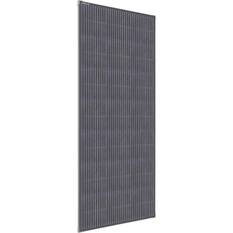
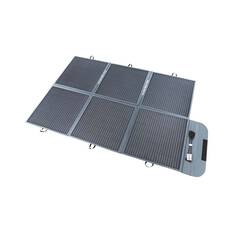
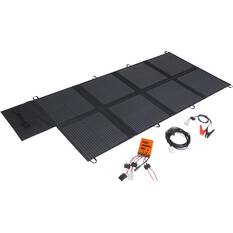
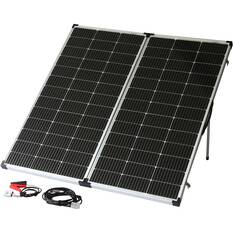
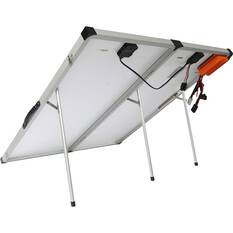
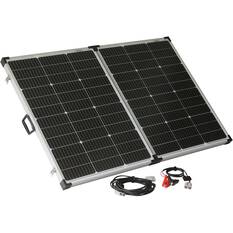
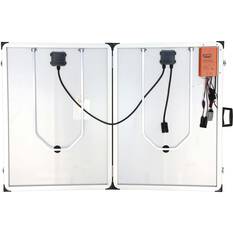
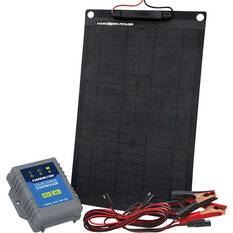
As a guide, many touring fridges pair well with 160–240W of solar when the sun is kind and you manage loads. Pack a panel or blanket sized to your daily amp-hours. See solar panels and blankets to match output and pack size to your trip.
Inverters, chargers, jump starters and complete systems
Use a pure sine inverter only for 240V appliances you can’t run on 12V, then size it above the appliance wattage plus start-up surge. A DC-DC charger tops your aux battery as you drive, and a compact jump starter is cheap insurance when the starter battery throws a tantrum.
If you want a tidy install with fused outputs, monitors and charging built in, explore complete power systems. They shorten install time and make future upgrades simpler.
Get sorted with BCF
We stock gear Aussies actually use, and our in-store crew runs this kit on their own trips. Drop in to your local BCF store for help sizing 4WD power and lighting the right way.
- Club pricing: Save with exclusive member-only deals when you join Club BCF.
- Price Match Guarantee: Found a better price? We’ll match it on the spot.
- Click & Collect: Need it fast? Pick up your order in as little as 1 hour.
Frequently Asked Questions
Dual battery system or portable power station, which is better for 4WD touring?
A dual battery system is better for frequent touring and continuous loads, while a portable power station suits occasional trips and flexible use. Pick a hardwired dual setup if you’re running a fridge for days and charging while driving. Choose a power station if you want plug-and-play power you can move between the rig, camp and home.
Do I need solar panels for 4WD touring?
You need solar panels if you plan to camp in one spot for more than a day and want to stay power neutral. A matched panel or blanket offsets your fridge and lighting so you don’t rely on idling or long drives to recharge!
What driving lights are legal for road use in Australia?
Driving lights are legal when they’re wired to switch off with low beam and mounted within placement rules set by your state. Check local guidance on height, forward projection and covers so your setup stays compliant on the road.
How long will a portable power station run a 12V fridge?
A portable power station will run a 12V fridge anywhere from a day to several days depending on battery capacity and weather. For example, a 500Wh unit may cover a small fridge for about one day in mild temps, while a 1,000Wh unit can stretch longer. Compare capacities on portable power stations and match to your daily amp-hours.