















Why a UHF Radio 4WD Setup Matters for Touring
A UHF radio 4WD setup works completely independently of mobile phone towers, which is why it's the standard way convoys stay in touch off the highway. BCF stocks UHF radios for touring right across Australia, both online and in our 165+ stores! Whether you're coordinating fuel stops, warning the car behind about a hazard, or keeping the convoy together, UHF gives you reliable communication that doesn't depend on phone signal at all. Nice!
What UHF Actually Solves
- Instant vehicle-to-vehicle communication with zero reliance on phone reception
- Coordinating fuel stops, hazards and wrong turns across a convoy
- A backup communication option if you're travelling solo through remote country
- No ongoing plan or subscription, and in Australia, no licence is required
It's one of the lowest-cost, highest-value additions to a touring setup, which is why so many experienced tourers treat it as a non-negotiable.
Fixed vs Handheld UHF Radios: Choosing Your Setup
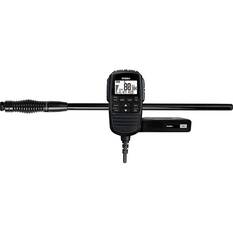
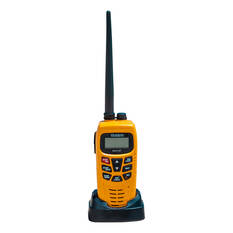
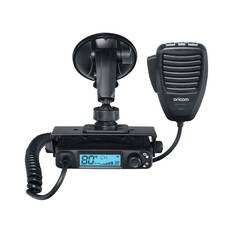
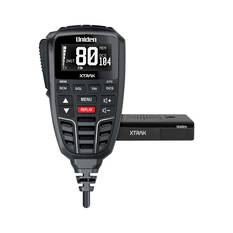
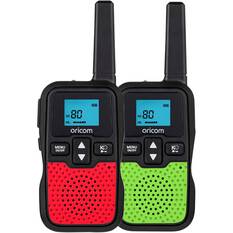
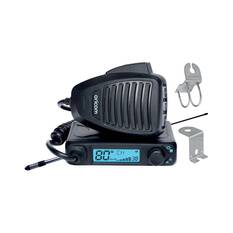
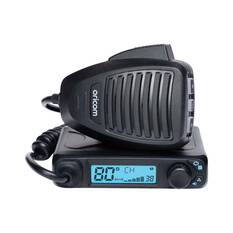
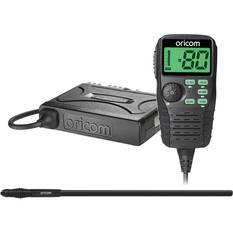
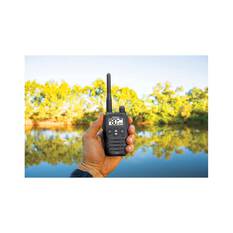
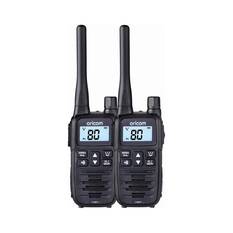
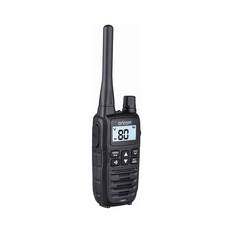
Both formats do the same core job, but they suit different ways of using your radio day to day. A fixed radio is mounted permanently in your vehicle and wired into an external antenna, while a handheld is a self-contained unit you carry with you.
Fixed UHF Radio
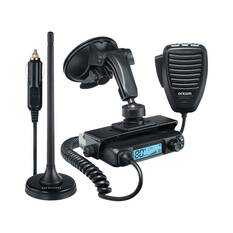
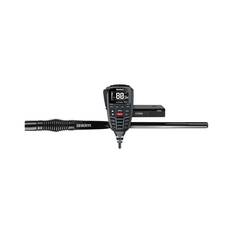
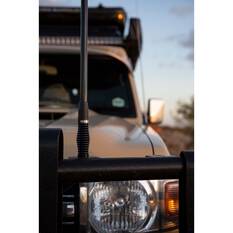
A fixed radio wired to a roof-mounted antenna generally delivers better range and signal quality than a handheld. It's running through a proper external antenna rather than a small built-in one. This suits anyone who mainly needs vehicle-to-vehicle communication while driving.
Handheld UHF Radios
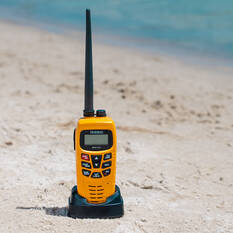
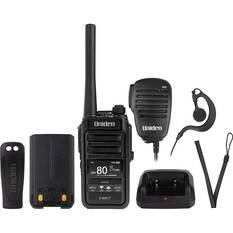
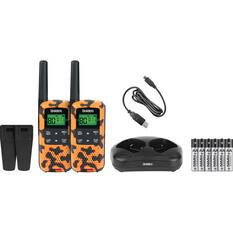
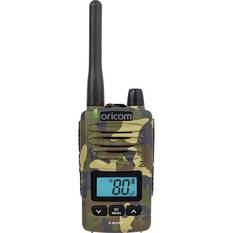
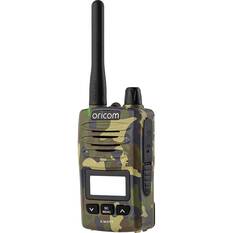
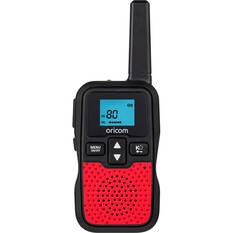
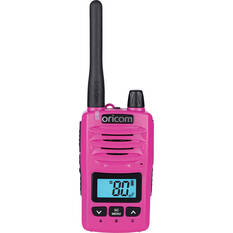
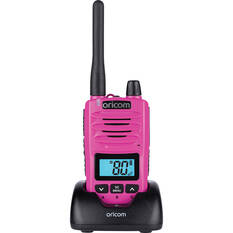
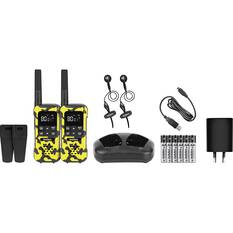
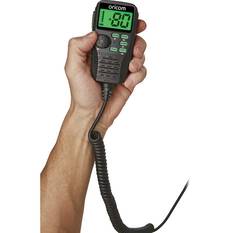
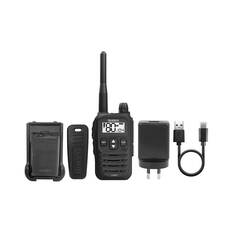
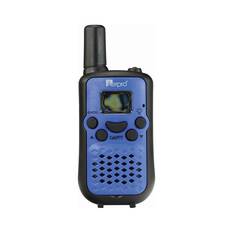
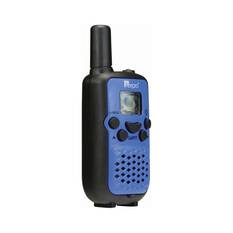
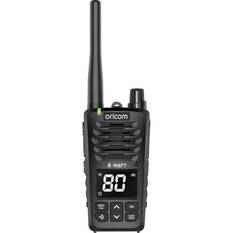
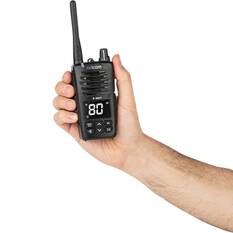
A handheld unit goes wherever you go, clipped to a belt for an off-grid hike or passed to a passenger for spotting while reversing a trailer. The trade-off is generally shorter range than a fixed setup with a proper external antenna. If your use is purely vehicle-to-vehicle, a fixed setup gives the strongest signal. If you need a radio that leaves the vehicle, only a handheld does that. Weigh up which option suits you best!
UHF Antennas and Mounts: Getting the Right Gain and Fitment
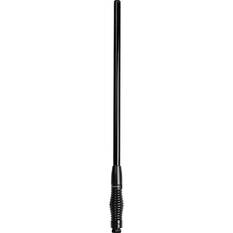
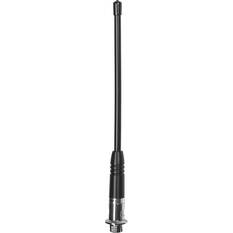
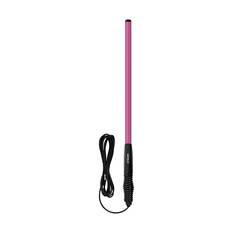
Your antenna has just as much influence on performance as the radio itself, and it's the part people most commonly under-think. Antenna gain describes how the antenna shapes and focuses your signal, so picking the right gain for your driving environment makes a legit difference.
Understanding Antenna Gain
A higher-gain antenna flattens its signal into a wider, flatter pattern, which suits open, flat terrain like highways and plains. A lower-gain antenna sends its signal in a rounder pattern, which tends to perform better in hilly or country areas with plenty of trees. Check the individual product specs to confirm the gain figure that suits your typical driving.
Antenna Mounting Options
- Roof or gutter mounts for the strongest possible signal position on most vehicles
- Bullbar mounts if your roof isn't a practical mounting option
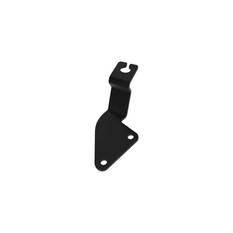
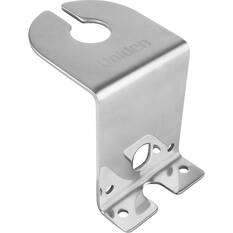
- UHF antenna mounts a distinct category from handpiece or mic mounts, so check you're buying the right type for what you're mounting
Mounting Your Radio: Handpiece and Mic Mount Options
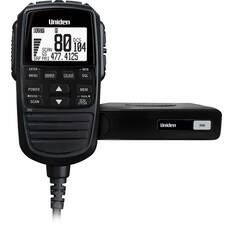
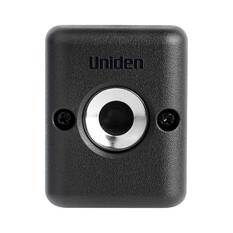
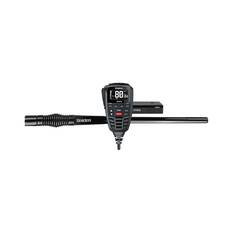
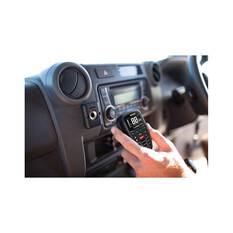
Getting your handpiece properly mounted is a small detail that makes a real difference to how usable your setup is day to day. A handpiece rattling loose in the footwell isn't just annoying, it's a distraction and a hazard if it ends up under a pedal.
Handpiece Mounts
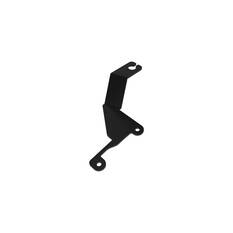
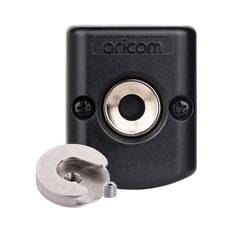
- Bracket mounts fixed to your dash or console for a consistent, reachable position
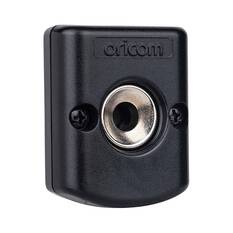
- Magnetic mounts a simple, no-drill option that still keeps the handpiece secure
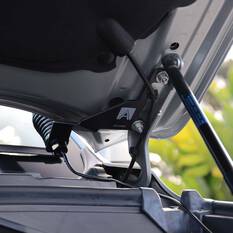
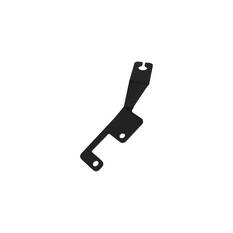
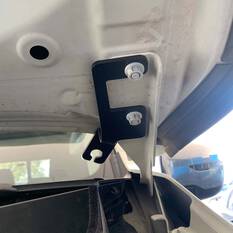
- Vehicle-specific mounts designed to fit factory dash cutouts on popular models
A properly mounted handpiece means you can reach it instantly without taking your eyes off the road. It's a small, inexpensive addition that makes the whole setup noticeably easier to use.
Stay Connected Beyond UHF Range
Shop the full range of UHF radios above, and if you're building a complete comms and nav setup, our GPS Navigation range is the natural next stop. Also worth a look is Dash Cams and Reverse Cameras for extra visibility on the move.
- Club pricing with exclusive member-only deals
- Price Match if you find it cheaper elsewhere
- Click & Collect so your gear's ready in as little as 1 hour
Frequently Asked Questions
Do I need a UHF licence to use a radio in my 4WD?
No, UHF CB radio operates under a class licence in Australia, so there's no individual licence required to use one. There are still rules around which channels are for general use versus reserved purposes, so it's worth familiarising yourself with channel etiquette before you start.
What antenna gain suits open highway vs hilly or bush terrain?
A higher-gain antenna suits open, flat terrain like highways and plains, since it flattens its signal into a wider pattern across level ground. A lower-gain antenna tends to perform better in hilly or heavily treed country, where a rounder signal pattern is less likely to miss vehicles above or below you.
Can I run a fixed radio and a handheld at the same time?
Yes, and plenty of tourers do exactly this. Run a fixed radio for vehicle-to-vehicle communication while driving, plus a handheld for anyone who needs to step away, such as spotting during a reverse or checking a track ahead.
Does a higher-gain antenna always mean better range?
Not universally, as it depends on your terrain. A higher-gain antenna works best in open, flat conditions, but its flatter signal pattern can underperform a lower-gain antenna in hilly areas or an environment with lots of trees. Check what suits your typical driving rather than assuming higher gain is always better.