

-
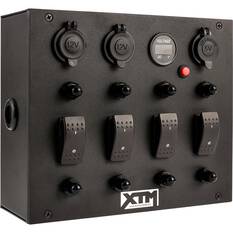
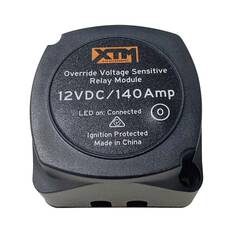
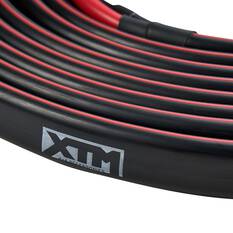 XTM 4x4 Accessories$149.99 ^ $99.99 Club Price★★★★★ ★★★★★ (27)
 -
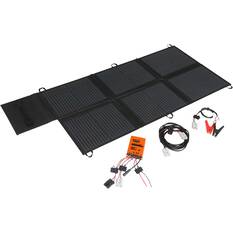
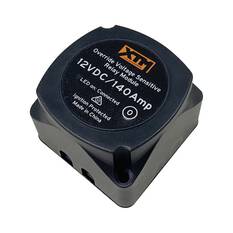
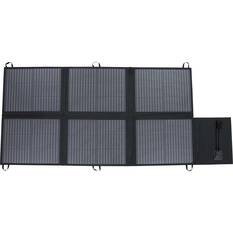 XTM 4x4 Accessories$349.99 ^ $189.99 Club Price★★★★★ ★★★★★ (20)
 -
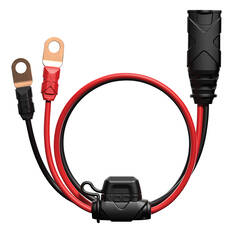
 Projecta$299.99 ^★★★★★ ★★★★★ (1)Online & Select Stores
 -
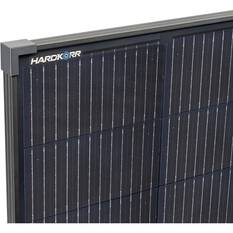
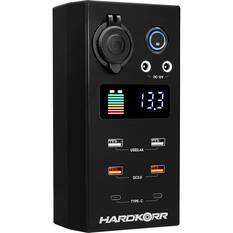
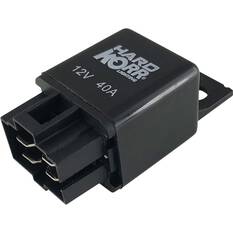
HardKorr$249.99 ^★★★★★ ★★★★★ (5)Online & Select Stores
-
XTM 4x4 Accessories$79.99 ^ $59.99 Club Price★★★★★ ★★★★★ (26)
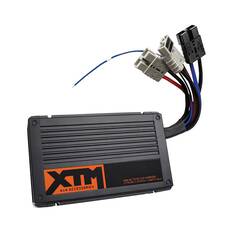












Why the Right Charging Accessories Matter for 4WD Touring
A fridge or battery box is only ever as reliable as the charging and wiring sitting behind it. Undersized cables, a charger that doesn't match your battery chemistry, or a setup with no fuse protection at all are among the most common causes of a flat battery or a damaged accessory partway through a trip.
What Getting It Right Actually Buys You
- A fridge that stays cold for the entire trip, not just the first few days
- A battery that lasts years rather than degrading after one hard season
- No troubleshooting wiring faults at a campsite with no phone signal
- Confidence that your setup will simply work when you need it to
Sorting the charging side of things properly before you leave, rather than working it out on the road, is what separates a setup you can rely on from one you're constantly second-guessing.
DC-DC Chargers: Keeping a Dual Battery Charged on the Move
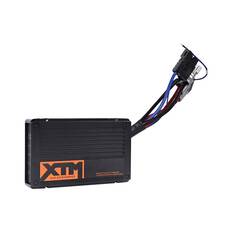
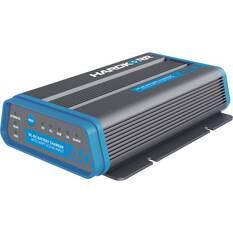
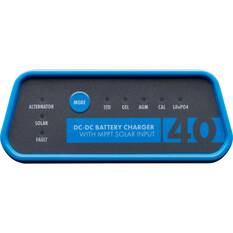
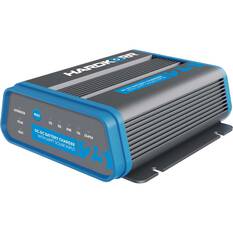
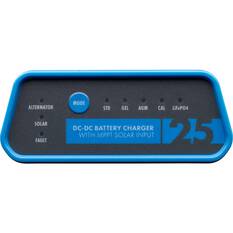
A DC-DC charger takes power from your vehicle's alternator while you're driving and charges your auxiliary battery properly. That matters considerably if you're running a lithium or AGM battery that needs a specific charge profile your vehicle's factory wiring simply won't provide on its own.
Why It's the Standard Choice
- Charges your auxiliary battery correctly while you're driving, not just idling
- Matches the charge profile your specific battery chemistry actually needs
- Keeps a dual battery system topped up over hours of driving between stops
If you're also running solar, look for a DC-DC charger with a solar input built in, so you're managing one charging path instead of juggling two separate systems. It's worth browsing our solar panels and blankets if you're planning to add solar to the mix.
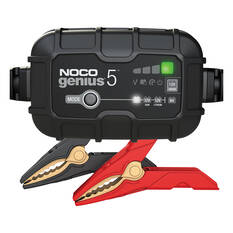
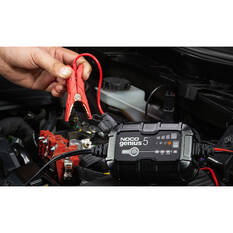
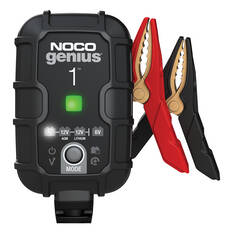
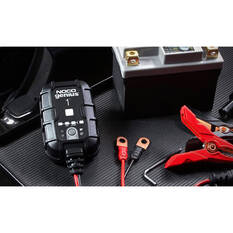
Battery Chargers: Keeping Your Setup Topped Up at Home or On the Road
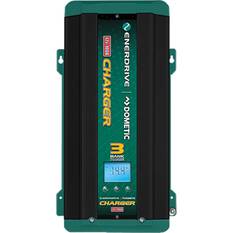
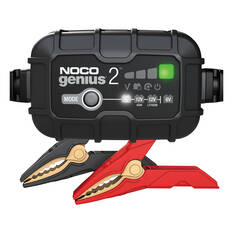
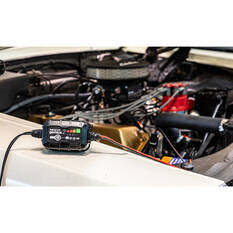
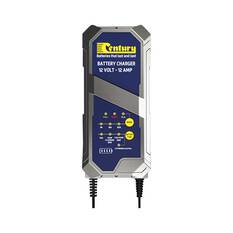
A mains battery charger does a very different job to a DC-DC charger. It's for topping up your battery from a 240V power source, whether that's at home between trips or plugged in at a powered campsite.
When to Use It
- Your battery sits unused for stretches between trips and needs maintenance charging
- You're camping at a powered site and want to top up overnight
- You want peace of mind that your battery is fully charged before you head off
Most setups genuinely benefit from having both a DC-DC charger for while you're driving, and a mains charger with a maintenance mode for downtime, rather than relying on just one and hoping it covers every situation.
Cables and Accessories: Wiring Your Setup Together Safely
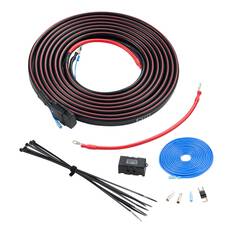
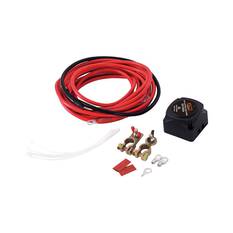
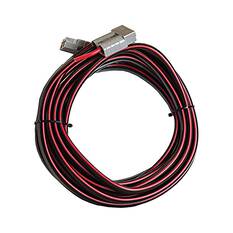
The cables connecting your battery, charger and accessories need to be properly rated for the current they're carrying. Undersized cable is one of the most common causes of poor charging performance or dangerous overheating in a 4WD power setup.
Getting Cable Sizing Right
- Match your cable gauge to the specific amp rating of your charger and accessories
- Keep runs as short as practical to minimise voltage drop over distance
- Use a heavier gauge for longer runs to carry the same load without losing performance
- Avoid reusing whatever spare cable happens to be lying around the shed or garage
If you're extending a run say from a battery box to a fridge mounted further away, it's worth checking the gauge specifically for that longer distance rather than assuming your existing cable will simply cope.
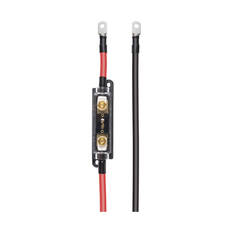
Anderson Plugs, Fuses and Why Protection Isn't Optional
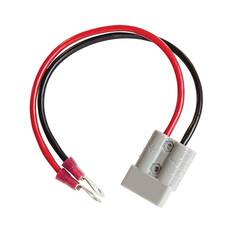
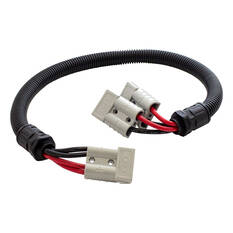
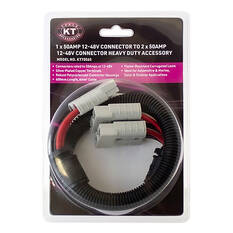
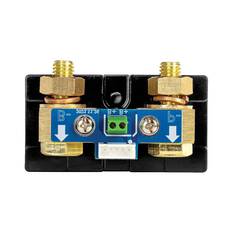
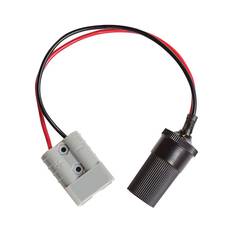
An Anderson plug is the standard connector across 4WD power setups because it lets you connect and disconnect high-current accessories quickly and safely, without exposed wiring or the risk of a poor connection. Fuse protection is non-negotiable on any circuit, protecting your wiring, battery and accessories if something shorts out unexpectedly.
- Check manufacturer guidance for your specific charger, battery box or accessory
- Size fuses to protect the cable and equipment on that circuit, not just the accessory
- Never guess a fuse size based on a similar setup you've seen elsewhere
Power Sorted with BCF
Shop the full range of chargers, cables and accessories above, then round out the rest of your power system to build a setup you can rely on trip after trip.
Browse batteries and battery boxes, solar panels and blankets and 12V control boxes and appliances, or grab a jump starter for peace of mind if your starter battery ever lets you down. If you're still deciding between battery chemistries, our battery guide breaks down lithium versus AGM and how to size your system.
Shop online or drop into one of our BCF stores and chat with the BCFing experts. You can also score:
- Club BCF pricing Join Club BCF and save more with exclusive member-only deals both in-store and online.
- Price Match Found it cheaper? We'll match it. Check our price match policy for more information.
- Click & Collect with orders ready in as little as 1 hour
Frequently Asked Questions
Do I need a DC-DC charger if I already have a mains battery charger?
Generally, yes, if you're charging while driving. A mains battery charger only works from a 240V source, so it won't charge your battery from the vehicle alternator while you're on the road. A DC-DC charger fills that gap, and most touring setups run both: a DC-DC charger for driving and a mains charger for topping up at home or at a powered site.
What's the difference between an Anderson plug and a standard 12V accessory plug?
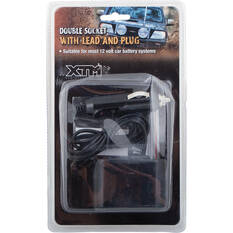
An Anderson plug is rated for much higher current and is designed for a secure, weatherproof connection between major components like a battery box, DC-DC charger or solar panel. A standard 12V accessory plug, like a cigarette lighter-style socket, is designed for lower-current accessories such as small chargers or lights, not for carrying the load of charging a battery.
What size fuse do I need for my setup?
Fuse sizing depends on the specific current rating of the circuit it's protecting, so there's no universal answer that applies across every setup. Check the manufacturer's guidance for your charger, battery box or accessory, and size the fuse to protect the cable and equipment on that specific circuit rather than the accessory's maximum draw alone.
Can I use the same cables and connectors across multiple accessories?
Anderson plugs and compatible cabling are designed to be interchangeable across accessories that use the same connector type, which is a large part of why the system is so widely used. That said, always check the current rating of the cable against whatever you're connecting it to. A cable rated for one accessory isn't automatically safe for a higher-draw one.