

-
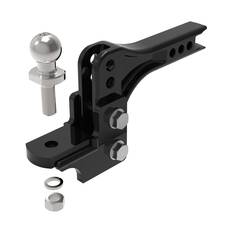
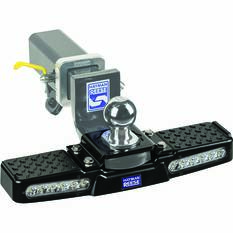
 Hayman Reese$399.99 ^★★★★★ ★★★★★ (49)Online & Select Stores
 -
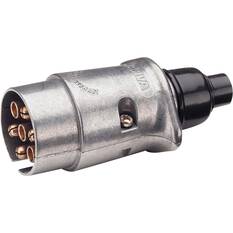
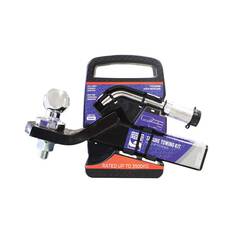 Hayman Reese$119.99 ^ $89.99 Club Price★★★★★ ★★★★★ (62)
 -
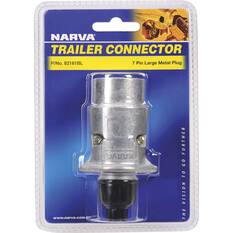
 Narva$24.99 ^★★★★★ ★★★★★ (8)Online & Select Stores
 -
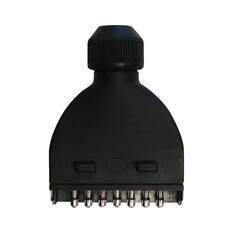
Narva$32.99 ^★★★★★ ★★★★★ (12)Online & Select Stores
-
Hayman Reese$129.99 ^★★★★★ ★★★★★ (18)Online & Select Stores



















Why Getting Your Tow Ball Setup Right Matters
The tow ball is the single connection point between your vehicle and whatever you're towing, so there's no room for guesswork! Get the rating wrong and you're not just risking damage to your gear; you're risking a serious safety incident on the road.
What Can Go Wrong with a Mismatched Setup
- A tow ball rated below your trailer's weight can fail under load
- An unsecured hitch pin can allow the connection to separate while towing
- The wrong trailer plug means no brake lights or indicators showing on the trailer - big safety concern!
- Incorrect ratings can also put you outside your legal towing requirements
None of this is meant to scare you off towing; it's exactly why getting each part of the setup right matters so much before you hitch up and head off. We're here to help!
Tow Balls and Towing Kits: Choosing the Right Rating
Your tow ball rating is where most setups start, and it's worth taking the time to get right. Match the tow ball to both your vehicle and your load rather than grabbing whatever's on the shelf.
Buying a Tow Ball or a Towing Kit
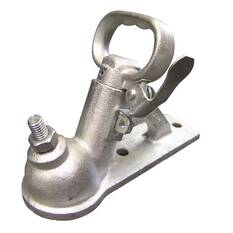
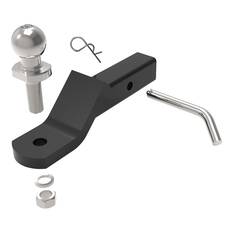
A tow ball on its own suits anyone replacing a worn or damaged ball on an existing setup. A towing kit bundles the ball with the mount and hardware, which is simpler if you're setting up a hitch from scratch or upgrading your towing capacity in one go.
Matching the Rating
- Check your vehicle's tow ball weight rating before buying anything
- Match it against the specific rated capacity of the tow ball or kit
- Your usable rating is whichever figure is lower, vehicle or tow ball
- Never assume a universal rating applies across different tow balls
Hitch Pins, Locks and Security
A hitch pin is a small part of the puzzle that's a genuinely doing a big job - keeping your trailer coupling securely attached to the tow ball while you drive! The right pin also helps protect your trailer when it's parked and left unattended.
Standard Pin vs Locking Pin
A standard hitch pin does the basic job of holding the connection together, but it offers no security against your trailer being unhitched and taken while you're stopped. A locking hitch pin adds a physical barrier, worth considering if you regularly leave a trailer or caravan unattended at a campsite or anywhere else.
Extra Security Worth Considering
- A locking hitch pin for peace of mind when the trailer's left unattended
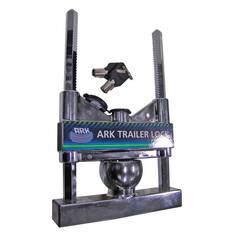
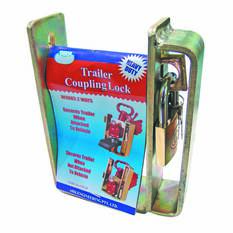
- A coupling lock that covers the entire hitch mechanism, not just the pin
- Regularly checking pin and lock condition for wear before longer trips
Trailer Electrical Adaptors and Plugs
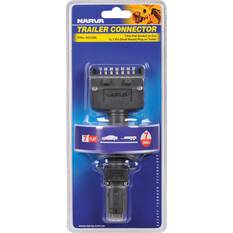
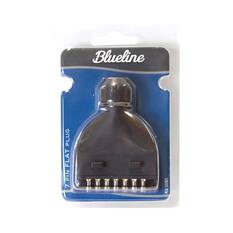
Trailer wiring keeps your brake lights, indicators and tail lights working on whatever you're towing, which matters for both safety and staying on the right side of the law. Getting the plug type right is just as important as getting the tow ball rating right.
Flat vs Round Plugs
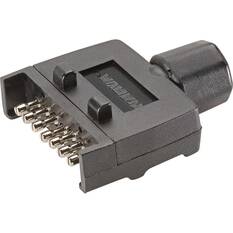
Flat plugs and round plugs aren't interchangeable, and different trailers, caravans and boat trailers use different standards depending on age and functions. Check what plug type your specific trailer or caravan uses before assuming your vehicle setup will match.
Getting the Right Adaptor
- Confirm the plug type on your trailer, caravan or boat trailer first
- Check your vehicle's factory plug type against what you're towing
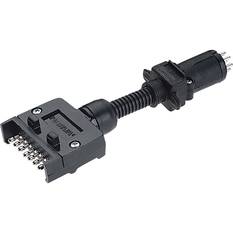
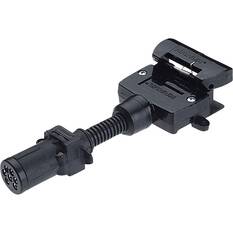
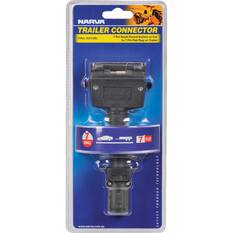
- An adaptor bridges a mismatch between the two without rewiring anything
- Test all lights and indicators before every trip, not just when the setup's brand new
Looking for the Best of Tow Balls and Accessories?
Shop the full range of tow balls and accessories above, and while you're sorting the rest of your towing setup, our towing mirrors, brake controllers and throttle controllers ranges cover the rest of what a properly set up tow rig needs. For a full walk-through on ratings, hitch setup and trailer plugs, have a read of our guide to the basics of towing a boat in Australia.
Frequently Asked Questions
How do I find my vehicle's tow ball weight rating?
Your vehicle's tow ball weight rating is set by the manufacturer and is usually listed in your owner's manual or on a compliance plate, often near the tow bar itself. Check this figure specifically, as it's different from your vehicle's overall towing capacity, then match it against the rated capacity of the tow ball you're considering.
What's included in a towing kit versus buying a tow ball separately?
A towing kit generally bundles the tow ball with the mount and fitting hardware in one package, which suits setting up a hitch from scratch. Buying a tow ball separately suits replacing just the ball on an existing setup that's otherwise in good condition. Check what's included in any specific kit before buying, since contents vary between products.
Do I need a locking hitch pin, or is a standard pin enough?
A standard pin does the basic job of holding your coupling together while you're driving, but it offers no security if your trailer's left unattended. A locking hitch pin is worth considering if you regularly leave a trailer or caravan parked somewhere unattended, such as at a campsite or in a public car park.
How do I know which trailer plug (flat vs round) I need?
This depends entirely on your specific trailer, caravan or boat trailer, so check the plug type fitted to whatever you're towing before assuming it will match your vehicle. If there's a mismatch between your vehicle plug and your trailer plug, an adaptor bridges the gap without needing to rewire either one.