




There's nothing better than cooking up a feed at camp, whether it's bacon and eggs in the morning or a slow-cooked camp oven stew. When it comes to cooking gear, you've got two main options - cooking over the fire or using a fuel-based stove. In this one, we're going through the pros and cons of both to help you choose the right set up for your next camp cook-up.
Quick Links
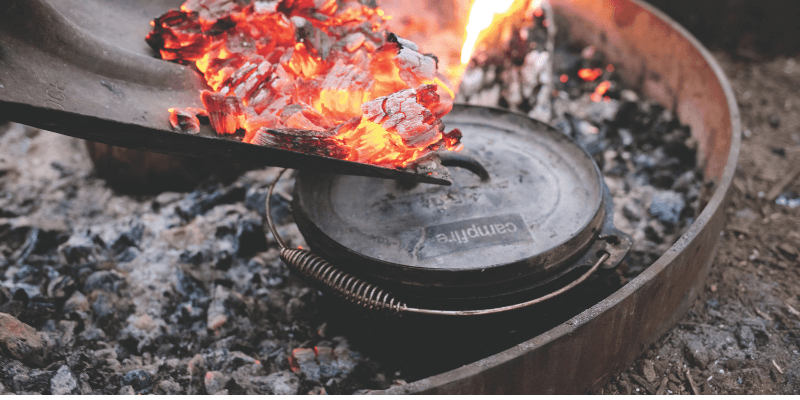
Why should I choose traditional fire cooking?
There’s something satisfying about cooking over an open flame. Whether it’s a campfire or a built-in fire pit, fire cooking brings flavour, warmth, and good vibes.
Pros:
Flavour: Smoky chargrilled taste is hard to beat.
Versatility: You can grill, roast, boil, or bake with the right setup.
Fuel availability: In many bush settings, wood is readily available (check local guidelines).
Atmosphere: Creates a great spot to chill out with mates and keeps pesty bugs away.
Simple: Don’t need a stack of gear to get it done.
Cons:
Restrictions: Fire bans are common in Australia, especially during summer and in national parks.
Setup time: Building and maintaining a fire takes time and effort.
Environmental impact: Collecting wood can damage the environment if not done responsibly.
Best For:
Longer stays at established campsites.
Cold weather or winter camping.
Campers who enjoy slow cooking and don’t mind stoking the fire.
Gear Suggestions:
Campfire Grill Plate – Ideal for steaks, snags, and bacon and eggs.
Cast Iron Camp Oven – Great for stews, damper, and roasts.
Fire Pit with Grill – Portable and compliant with fire regulations in some areas.
Why should I choose fuel-based cooking?
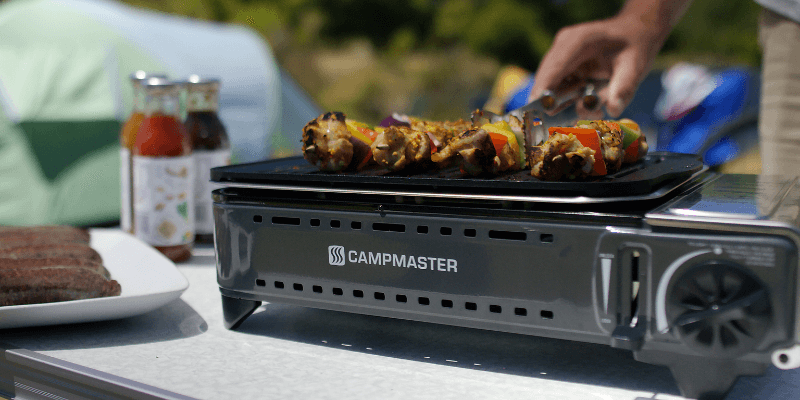
Fuel stoves are compact, efficient, and reliable - perfect when you just want to chuck something on quickly without mucking around. Whether you're pulling up at a roadside stop or setting up camp in a spot where fires are off-limits, they make cooking easy and fuss-free.
Pros:
Speed: Heats up quickly and cooks fast.
Control: Adjustable flame for precise cooking.
Convenience: No need to gather wood or wait for coals.
Legal compliance: Allowed in many areas where open fires are banned.
Cons:
Fuel dependency: You need to carry gas canisters or fuel bottles.
Limited cooking styles: Mostly suited to boiling, frying, or simmering.
Less ambience: Doesn’t offer the same campfire vibe.
Best For:
Campers & short trips.
Trips during fire ban seasons.
Quick meals.
Gear Suggestions:
Hiking Stove – Ultra-fast boil time, perfect for heating small meals.
Portable Stove – Compact and easy to use.
Portable Barbecue – Great for grilling, roasts and general cooking.
When it comes to camp cook-ups, both fire and fuel stoves have their spot in the kit. Fire’s all about that classic bush vibe and smoky flavour, while fuel stoves keep things quick and easy when you just want a feed without the fuss. Which one’s best? Depends on where you’re headed, how much time you’ve got, and whether the rules let you light up. Either way, make sure you’ve got the gear sorted before you hit the track - because nothing kills the mood faster than a hungry crew and no way to cook!
About the author

BCFing Experts
The BCFing Experts have done more than their fair share of boating, camping, fishing, hiking, four-wheel driving and much much more! Whether you're tackling tough tracks in Tassie or chasing big barra up North, the BCFing Experts have the know-how to make your next outdoor adventure a pearler
Read More